
Turkish Citizenship by Investment 2026: $400K Property Rules and Process
Short answer
The requirements at a glance
| Requirement | Rule |
|---|---|
| Minimum amount | USD 400,000, reached separately by the sale price, the bank payments and the official valuation |
| Property | A unit with kat mülkiyeti or kat irtifakı, or a plot with a permanent building that has an occupancy permit |
| Number of properties | No limit, but each must be registered fully in your name |
| Off-plan | One notarised promise-to-sell contract for the full amount, paid by the contract date |
| Seller | Not a foreigner and not connected to you; see the seller rules below |
| Payment | Foreign currency sold through a Turkish bank (DAB) and a bank receipt to the seller |
| Holding period | Three years, annotated on the title deed |
| Family | Spouse, minor children and the spouse's minor children |
| Living in Türkiye | Not required |
| Timing | About 6–9 months in our files; there is no official timeline |
Which properties qualify
Since 12 December 2023, the property must be an independent unit registered under the Condominium Law, with kat mülkiyeti (condominium ownership) or kat irtifakı (construction servitude), or a plot registered as land with a permanent building that has an occupancy permit. Residential and commercial units both qualify.
These do not qualify: bare land, plots that must be developed within two years, agricultural land and timeshares. A property can be used for citizenship only once, so a property that has already supported someone's citizenship can never be used again.
You can combine several properties to reach USD 400,000; there is no limit on the number. Each property must be registered fully in your name. Buying a share of a property does not count, but buying the whole of a property that is registered to several owners does.
Who you can buy from
The seller and the property's history matter as much as the price. Under TKGM's guide, the property qualifies only if all of the following are true:
- It is not registered to a foreigner, or to one of your first-degree relatives who is a Turkish citizen.
- For a second-hand property, it was not transferred to a Turkish citizen or company by you or your first-degree relatives.
- It was not transferred to a Turkish citizen or company within the last three years by a foreigner or by someone who became a citizen through investment.
- It is not registered to someone who became a Turkish citizen through investment, whether that person bought it before or after becoming a citizen.
- It is not registered to a company in which you or your first-degree relatives are a partner or a manager.
- It has never been used for citizenship before.
First-degree relatives here include relatives by blood, by marriage and by adoption. Units owned by a foreign-capital company can qualify only when that company built the project itself, which needs a separate check. The current title deed does not show all of this history, so check how and when the seller acquired the property before paying a deposit, and make the purchase conditional on the property being eligible.
Annotations and loans
- An annotation that could change ownership, such as an earlier promise-to-sell, a 150/c annotation or a lawsuit annotation, makes the property ineligible.
- A property with a legal mortgage (kanuni ipotek) cannot be used.
- If you buy with a foreign-currency loan, the loan is deducted from the price, and the remainder must still reach USD 400,000.
How the USD 400,000 is checked
Three records are checked separately, and each must reach USD 400,000: the sale price on the title deed (or in the promise-to-sell contract), the bank payments, and the amount on the official valuation. A file that reaches the amount on one record but not on another does not qualify as submitted.
The valuation report must come from a valuation company authorised by the Capital Markets Board (SPK) with active TDUB membership and listed in TADEBİS. You request it in WebTapu through the citizenship valuation menu, where an eligible company can be selected or assigned automatically. The system attaches an amount determination document (TTB) and sends it electronically to the land registry; a paper TTB is not accepted. The TTB and the citizenship application must be within 12 months of each other. If the valuation comes in below USD 400,000, see what happens when the appraisal is below USD 400,000.
Paying for the property
The foreign currency is sold to the Central Bank through a Turkish bank, which issues a foreign currency purchase document (DAB) before the title deed transfer. For citizenship the land registry also needs the bank receipt showing that the price was paid to the seller, with the property details or a reference to the DAB. The amount converted for the price must not include VAT, commission or other costs.
The payment can come from a related person, such as a spouse, an attorney or the buyer's company, if the connection is stated in the transfer description. If a bank fee reduces the amount below USD 400,000, the shortfall has to be made up with a separate transfer, so pay the fees from your own account or send a little more. The full rules are in Turkish citizenship payments: DAB, bank receipts and bank fees.
Buying off-plan
A property that is not finished can be used through a contract made at a Turkish notary in which the seller promises to sell the unit. The unit must have kat irtifakı or kat mülkiyeti, the full USD 400,000 must be paid by the contract date, and a commitment not to transfer or cancel the contract for three years is annotated in the land register.
The full amount must be in a single contract. Two contracts, for example for USD 210,000 and USD 200,000, cannot be added together, and a shortfall on completed title deeds cannot be made up with a promise-to-sell contract. Several off-plan units can be bought only if they are all in the same contract. Citizenship eligibility does not guarantee that the developer will finish or deliver on time, so check the developer and the contract's delay and termination clauses before paying.
The three-year commitment
At the title transfer you commit not to sell the property for three years, and the commitment is annotated on the title deed. If the annotation is removed before the three years end, the land registry informs the population and citizenship authorities, and the citizenship can be put at risk. You may rent the property out during this period.
After three years you can sell the property and keep your citizenship. A sale back to the previous owner after the three years is reported to the authorities for review. If the owner dies during the three years, the commitment passes to the heirs.
Family members
The application can include your spouse, your minor children and your spouse's minor children. Children over 18 can be included only if they are dependent; in practice this usually means a disability, and it is assessed case by case. For a child from a previous marriage, both the custody decision and the other parent's consent are required; see children and Turkish citizenship by investment.
Documents
- Valid passports for all applicants
- Birth certificates and, for married applicants, the marriage certificate, apostilled and translated
- Criminal record certificate
- Biometric photos
- For children of divorced parents, the custody decision and the other parent's consent
- If you buy through an attorney, a power of attorney that expressly authorises giving the three-year commitment
The full list is in the documents checklist for Turkish citizenship.
Step-by-step process
- Documents: collect and apostille the family documents.
- Property checks: check the title deed, the seller rules and the annotations.
- Valuation and payment: request the valuation in WebTapu, sell the currency through a Turkish bank and get the DAB.
- Title transfer: transfer the title at the land registry with the three-year commitment.
- Investment confirmation: the land registry checks the records and confirms the investment.
- Residence permit: complete the investor residence permit step.
- Citizenship application: file the application; security and archive checks follow.
- Decision: after the decision, the identity card and passport are issued.
In our files the whole process takes about 6–9 months. The security and archive checks take the longest, and their status messages are explained in Turkish citizenship application stages.
Costs on top of the price
- Title deed fee, commonly 4% of the declared value in total; confirm the split and the amount for your purchase
- VAT, depending on the property and the seller; an exemption needs a case-specific check
- Valuation report
- DASK earthquake insurance
- Notary and translation fees
- Legal fees, and the residence permit, application and passport fees
The full breakdown and a calculator are on the Turkish citizenship page.
Frequently Asked Questions
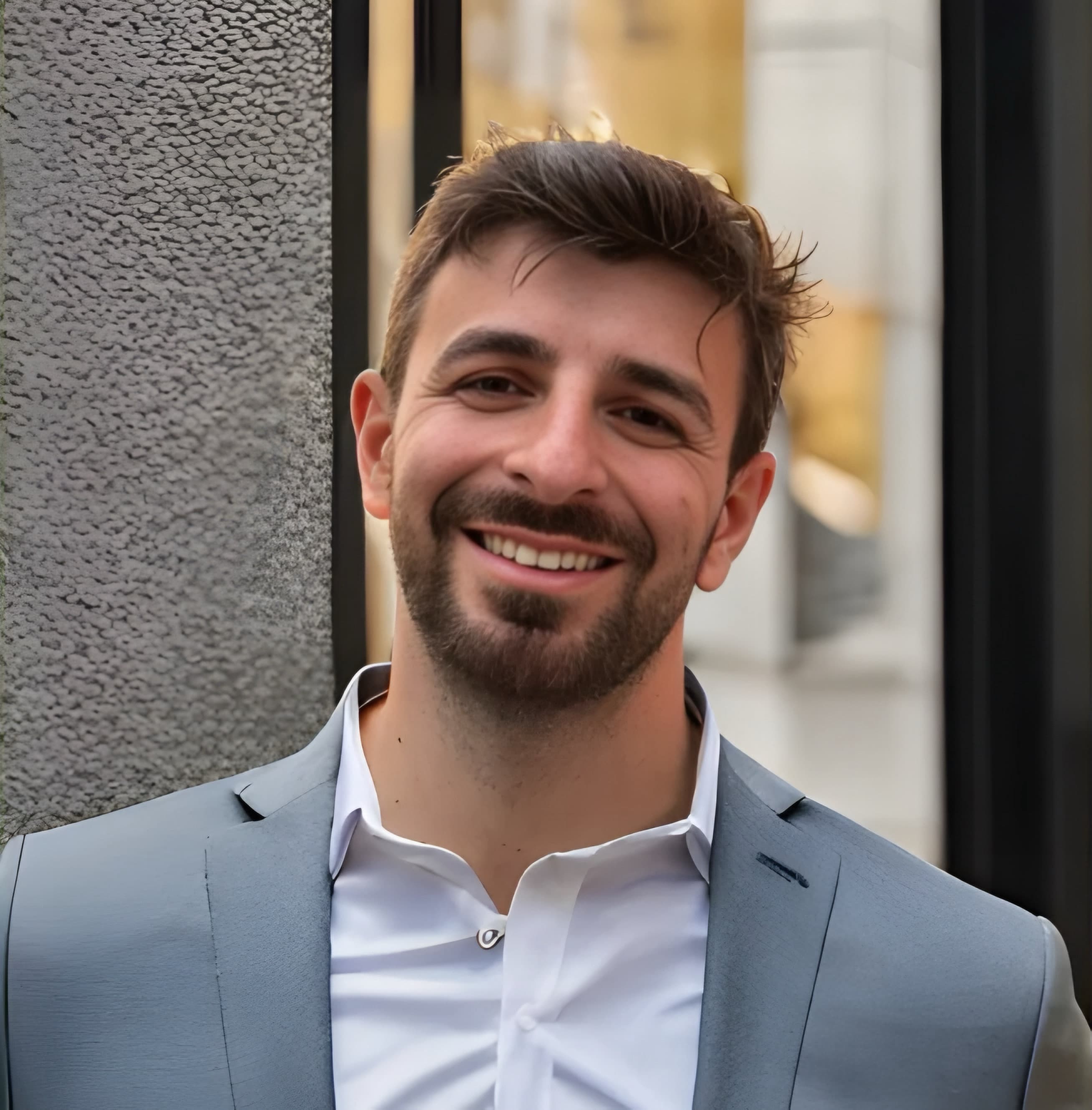
About Hamit Ekşi
Co-Founder & Legal Counsel
Attorney at law, Istanbul Bar Association
Born in 1990 in Istanbul, Hamit graduated from Istanbul University Faculty of Law. After practicing as a lawyer, he moved to the US for his MBA at San Diego State University (2017-2018), where the foundations of SimplyTR were laid. He specializes in the legal intricacies of citizenship and property law.
Related articles



🌍 Read in Your Language
Subscribe to our Newsletter
Get the latest updates on Turkish real estate market and citizenship programs.