
Turkish Citizenship Payments: DAB, Bank Receipts and Bank Fees
Short answer
Which payment records the land registry checks
Since 24 January 2022, a foreign individual buying property in Türkiye must first sell the foreign currency to the Central Bank through a Turkish bank. The bank then issues a foreign currency purchase document (Döviz Alım Belgesi, DAB), which is presented to the land registry office. The Turkish lira amount on the DAB is written into the title deed as the value used for the title deed fee.
The DAB must show, at a minimum, the name and passport or foreign ID number of the person for whom the currency was sold, the property number (or the block and unit number), the US dollar equivalent, and a statement that the sale was made for Turkish citizenship. The amount converted for the price must not include anything else, such as VAT, commission, fees or taxes.
The DAB is not enough on its own. For a citizenship purchase the General Directorate of Land Registry and Cadastre (TKGM) also asks for an approved bank receipt (dekont) showing that the price was paid to the seller. The receipt must show the property details from the DAB or refer to the DAB transaction, and it must be submitted before the three-year commitment is registered.
The USD 400,000 test applies to each record in the file: the sale price on the title deed, the valuation report and the bank payments must each add up to at least USD 400,000. A file that reaches the amount on one record but not on another does not qualify as submitted. If the valuation is the record that falls short, see what happens when the appraisal is below USD 400,000.
Bank fees that reduce the amount
A transfer sent from abroad can pass through one or more correspondent banks, and each of them can deduct a fee. If the buyer sends exactly USD 400,000, the amount that reaches Türkiye and is sold to the Central Bank can be a few dollars short. The DAB then shows less than USD 400,000, even though the buyer's own bank statement shows the full amount leaving the account.
What counts is the amount that arrives and appears on the DAB and the receipt, not the amount that was sent. Because the records have to match, a shortfall must be made up: if a bank took USD 50, a separate transfer for that USD 50 is needed.
The safer way is to avoid the shortfall in the first place. Pay the transfer fees from your own account by choosing the "OUR" charge option, or send a little more than USD 400,000. Then check the DAB and the receipt before the title deed appointment.
Payments from a spouse, a company or another account
The payment does not have to go strictly from the buyer's own account to the seller's own account. TKGM's guide tells land registry offices to make a "reasonable connection" assessment of whether the money was paid by the buyer or a related person to the seller or a related person. Its examples of related persons include an attorney, a spouse, the beneficiary of a flat-for-land construction contract, a mortgage or attachment creditor and the account of a company's owner.
In practice the connection is accepted when the transfer description states it: for example, that the spouse is paying on behalf of the buyer for the named property. Write the buyer's name, the property details and the relationship into the description, and keep the document that proves the relationship, such as an apostilled and translated marriage certificate. If a receipt does not show the connection clearly, TKGM treats it as a formal gap that can be completed before the investment is confirmed.
Checklist before the title deed appointment
- Transfer the funds early enough for the DAB to be issued before the appointment.
- Send a little more than USD 400,000, or pay the fees from your own account with the "OUR" charge option.
- Check that the DAB, the receipt, the sale price and the valuation each reach USD 400,000.
- Make sure the receipt names the buyer and the property and refers to the DAB.
- If a spouse, a company or another related person pays, state the relationship in the transfer description.
The other conditions for the property route are in Turkish citizenship through property investment, and the full programme is on the Turkish citizenship page.
Sources: TKGM guide on citizenship through property (1 February 2024); TKGM notice on the foreign currency purchase document.
Frequently Asked Questions
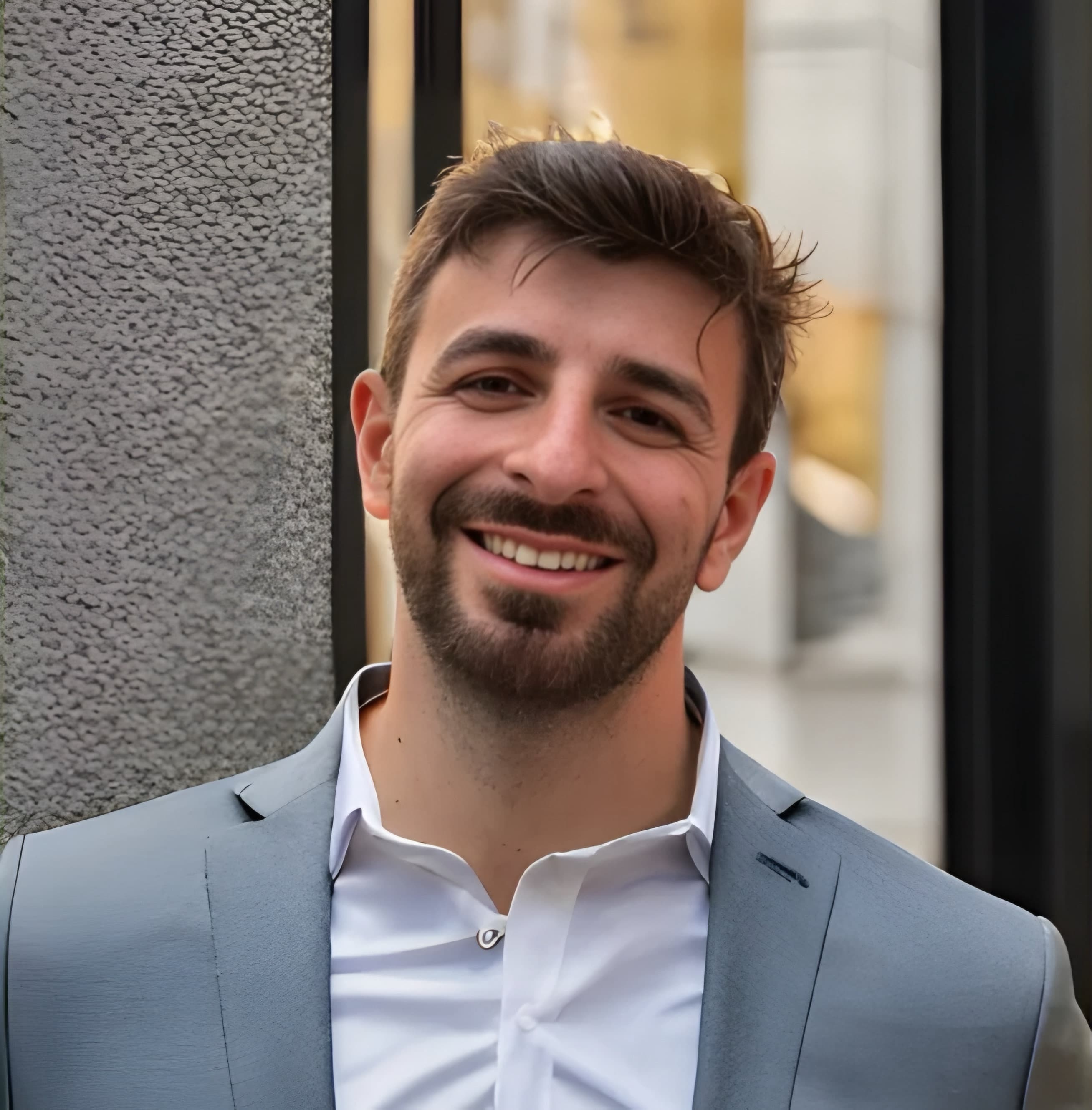
About Hamit Ekşi
Co-Founder & Legal Counsel
Attorney at law, Istanbul Bar Association
Born in 1990 in Istanbul, Hamit graduated from Istanbul University Faculty of Law. After practicing as a lawyer, he moved to the US for his MBA at San Diego State University (2017-2018), where the foundations of SimplyTR were laid. He specializes in the legal intricacies of citizenship and property law.
Related articles


🌍 Read in Your Language
Subscribe to our Newsletter
Get the latest updates on Turkish real estate market and citizenship programs.