
Turkish Citizenship for Russian Investors: Complete 2026 Guide
Complete 2026 guide for Russian investors seeking Turkish citizenship by investment: $400K property route, dual citizenship with Russia, sanctions-era payment options, documents, costs and risks.
Russian investors have been the single largest group of foreign property buyers in Turkey since 2022 — and in 2026, the Turkish citizenship-by-investment route remains one of the few realistic second-passport options available to Russian citizens. While sanctions, banking restrictions, and payment complexities have made the process harder, they have not made it impossible. Russian citizens continue to qualify for Turkish citizenship through the $400,000 real estate route, provided the payment structure is compliant and the application is documented correctly.
This guide covers everything a Russian investor needs to know in 2026: eligibility, dual-citizenship rules, payment and transfer options under sanctions, document requirements, the step-by-step process, and the specific risks that Russian applicants face.
Can Russian Citizens Get Turkish Citizenship by Investment in 2026?
Yes. Russia is not on Turkey's exclusion list, and Turkish citizenship by investment remains fully open to Russian citizens in 2026. The programme requires an investment of at least $400,000 in real estate (or $500,000 in a bank deposit, government bonds, or a qualifying fund), held for three years. There is no language test, no residency requirement, and no minimum stay after approval.
Russian citizens have been the top foreign buyers in Turkey for four consecutive years. According to TÜİK data, Russian nationals consistently lead property sales to foreigners — in June 2026, Russian buyers again topped the nationality rankings with 263 purchases in a single month. This sustained demand reflects both the attractiveness of Turkish property and the strategic value of the Turkish passport.
Why Russian Demand Remains High
- Direct citizenship: Turkey grants a full passport, not just residency — one of the few programmes accessible to Russian citizens in 2026.
- Visa-free access: A Turkish passport provides visa-free or visa-on-arrival access to more than 110 countries, including destinations Russians cannot reach with their own passport.
- Geographic proximity: Direct flights, shared Black Sea coastline, and a large Russian-speaking community make Turkey a natural base.
- Real asset in a real market: Property in Istanbul or the Mediterranean coast holds tangible value, unlike paper investments.
Dual Citizenship: Does Russia Allow It?
Russia permits dual citizenship in practice, though with an important notification obligation. Russian citizens who acquire a second nationality are required by Russian law to notify the Russian authorities (MVD — Ministry of Internal Affairs) within 60 days of acquiring the foreign citizenship or residence permit. Failure to notify can result in fines or criminal liability.
Importantly, Russia does not require renunciation of Russian citizenship to obtain Turkish citizenship. Turkish law also permits dual citizenship. So in practice:
- You can hold both Russian and Turkish passports.
- You must file the Russian notification after receiving Turkish citizenship.
- Turkish citizenship does not affect your Russian citizenship unless you voluntarily renounce it.
The Biggest Challenge in 2026: Payments and Sanctions
The single most difficult part of the Russian route in 2026 is moving money. International sanctions on the Russian banking system mean that SWIFT transfers from major Russian banks to Turkish banks are restricted or blocked. Every Russian investor must plan the payment structure carefully before signing anything.
Payment Options That Work in Practice
- Transfers via third-country banks: Many Russian investors move funds to accounts in Kazakhstan, Armenia, Georgia, the UAE, or Serbia, then transfer from those accounts to Turkish banks. This is the most common workaround, but requires the funds to be legally sourced and documented.
- Opening a bank account in Turkey: You can open a bank account in Turkey. You can send your funds into this account and complete the payment. If you contact us, we will support you with this.
- Accounts already held abroad: If you already hold funds outside Russia, transfers to Turkey are straightforward — the funds simply move from your foreign account to a Turkish escrow or the seller's account.
- Turkish bank accounts opened with foreign funds: You can open a Turkish bank account and receive funds from your non-Russian foreign account. The Turkish banking system requires standard KYC documentation.
- Company structures: Some investors route funds through a foreign company, though corporate structures add compliance complexity and are not necessary for most individual purchases.
Whatever the route, the key requirement is that the full purchase price must genuinely enter the Turkish banking system and be traceable. The August 2026 citizenship revocations — where 6,134 people lost citizenship over sham transactions and fake valuations — are a direct warning: staged or fictitious payments will not survive scrutiny. Read our analysis of the 6,134 citizenship cancellations to understand the enforcement environment.
Current valuation procedure (October 2026)
Regulatory update (5 October 2026): TKGM’s updated Circular 2024/2 allows valuation reports for these procedures to be prepared by any company authorized by the Capital Markets Board (SPK) that also has active TDUB membership and is included in TADEBİS. Applications are made through WebTapu; the available workflow allows an eligible company to be selected or assigned automatically. For citizenship transactions, the TTB is based on the valuation report and sent electronically through TADEBİS to TAKBİS/WebTapu; a paper TTB is not accepted. The valuation report is valid for land-registry transactions for 12 months. Separately, the TTB and the application for the citizenship transaction must be within 12 months of each other. The update changes the valuation procedure, not the USD 400,000 property threshold. See TKGM’s updated Circular 2024/2 and updated Circular 2024/4.
Step-by-Step: Russian Investor's Route to Turkish Citizenship
Step 1: Choose the Property and Verify the Valuation
Select a property worth at least $400,000 and confirm the GEDAŞ/TTB valuation report supports the threshold. Given the 2026 enforcement climate, an independent check of the appraisal against market data is essential — inflated valuations are the exact pattern authorities are prosecuting.
Step 2: Open a Turkish Bank Account and Arrange the Transfer
You will need a Turkish tax number and a bank account. Plan the fund transfer from an eligible foreign account, keep every receipt, and ensure the money genuinely enters the Turkish banking system before the title deed transfer.
Step 3: Complete the Purchase and Obtain the Certificate of Conformity
Sign the title deed (tapu) at the Land Registry, pay the ~4% transfer tax, and obtain the valuation report. The Ministry of Environment and Urbanisation then issues the Certificate of Conformity confirming the investment meets the threshold.
Step 4: Apply for the Short-Term Residence Permit
Citizenship applicants first obtain a short-term residence permit based on the investment. This is procedural — no actual residence in Turkey is required.
Step 5: Submit the Citizenship Application
File with the Provincial Directorate of Civil Registration and Nationality, including the investment certificate, title deed, passport copies, and supporting documents. Processing typically takes 3–8 months, with some Russian applications facing longer due diligence.
Step 6: Collect the Passport and Notify Russian Authorities
Once approved, you and your family receive Turkish ID cards and passports. Then file the mandatory Russian citizenship notification within 60 days.
Documents Required for Russian Applicants
| Document | Details |
|---|---|
| Valid passport | At least 6 months validity; passport copies of all pages |
| Birth certificate | Translated into Turkish by a sworn translator and notarised |
| Marriage certificate / marital status | If applying with a spouse; apostilled and translated |
| Children's birth certificates | For dependent children under 18 included in the application |
| Criminal record certificate | From Russia, valid 6 months, apostilled and translated |
| Proof of investment | Conformity certificate |
| Biometric photos | 4 per applicant |
| Health insurance | Valid Turkish or international policy |
Russian documents must be apostilled under the Hague Convention (Russia is a member) and translated into Turkish by a sworn translator. For the full document set, see our citizenship documents checklist.
Cost Breakdown for Russian Investors
| Cost Item | Estimated Amount |
|---|---|
| Property (minimum threshold) | $400,000+ |
| Title deed transfer tax (0~4%) | $0 / $16,000–$18,000 |
| Valuation report | $300–$800 |
| Legal fees and sworn translations | $2,000–$5,000 |
| Citizenship application fees | $100–$500 |
| Realistic total | $410,000–$420,000+ |
For a fuller picture of purchase-side costs, see our property purchase costs guide.
Risks and Considerations for Russian Applicants
Payment Scrutiny
Turkish banks apply strict KYC and sanctions screening. Transfers from sanctioned Russian banks will be rejected. Transfers from third-country accounts are accepted but must be documented. There is no legitimate shortcut around this — attempts to structure payments to hide the origin can trigger investigation and application rejection.
Valuation and Compliance Scrutiny
The 2026 revocations of 6,134 citizenship decisions were driven by fake valuations and sham transactions. However, this is no longer a big risk. Real estate valuations are now handled by GEDAŞ. Because the system assigns the appraiser automatically, fake reports are prevented. You just need to buy at the real market price and keep your complete payment records.
Holding Period
The property must be held for three years from the date of purchase. Selling early is a separate, established ground for citizenship cancellation — see our citizenship cancellation guide and the 3-year selling rule.
Renunciation Risk on the Russian Side
Acquiring Turkish citizenship does not automatically strip Russian citizenship, but Russian authorities have tightened rules around foreign citizenship notification and, in some cases, residence abroad. Consult Russian counsel about your specific situation before applying.
Where Russian Investors Are Buying in 2026
Russian buyers continue to concentrate in the same corridors that have defined demand since 2022:
- Istanbul (Europe side): Basın Ekspres, Bahçelievler, and the airport corridor attract investors seeking rental yield and resale liquidity.
- Antalya: The most popular destination for Russian buyers — Alanya, Konyaaltı, and Lara dominate, with strong rental demand and holiday-home appeal.
- Bodrum and the Aegean coast: Higher-end Russian buyers target luxury villas and waterfront property.
- Mersin: A rising destination with lower entry prices and growing infrastructure — see our Mezitli investment guide.
Each area offers a different yield and appreciation profile. Our Istanbul rental yields report and capital appreciation analysis provide district-level data.
Frequently Asked Questions
Can Russian citizens still transfer money to Turkey in 2026?
Yes, but not directly from sanctioned Russian banks via SWIFT. Funds typically move through third-country accounts (Kazakhstan, Georgia, Armenia, UAE, Serbia) into Turkish banks. All transfers must be legally sourced and documented.
Is the $400,000 threshold the same for Russian citizens?
Yes. The threshold applies uniformly to all nationalities. Russian citizens have no additional investment requirements.
Do Russian citizens lose their Russian passport when they get Turkish citizenship?
No. Russia permits dual citizenship, but you must notify the Russian authorities within 60 days of acquiring the Turkish passport.
How long does the whole process take?
Typically 3–8 months from investment to passport, depending on document readiness, payment structure, and government office workload. Russian applications may face additional due-diligence time.
Can family members be included?
Yes. The spouse and dependent children under 18 are included in a single application with no additional investment.
What happens if I sell the property before 3 years?
Early sale is a ground for citizenship cancellation. The three-year holding period is strictly enforced — this was the basis of the 2025 revocations.
Conclusion
Turkish citizenship by investment remains a viable and attractive route for Russian investors in 2026 — the programme is open, dual citizenship is possible, and Turkey continues to offer genuine property value and a powerful passport. The process is harder than it was in 2022: payments must be structured through compliant channels, valuations must be honest, and the three-year holding period is strictly enforced.
The investors who succeed are the ones who treat the process as a real investment: genuine market-value property, documented transfers, licensed appraisers, and professional legal guidance. If you are considering the Russian route, start with a compliance review of your payment structure and a market check on the property — before you sign anything.
Related Articles
- Turkish Citizenship for Chinese Investors: Complete 2026 Guide
- Turkey Real Estate for Foreigners 2026: Your Guide
- Turkish Citizenship for Iranian Investors: Complete 2026 Guide
- What No One Tells You About Turkish Citizenship by Investment: The Hidden Truths of 2026
- Guide on Acquiring Turkish Citizenship through Property Investment – 2026
Frequently Asked Questions
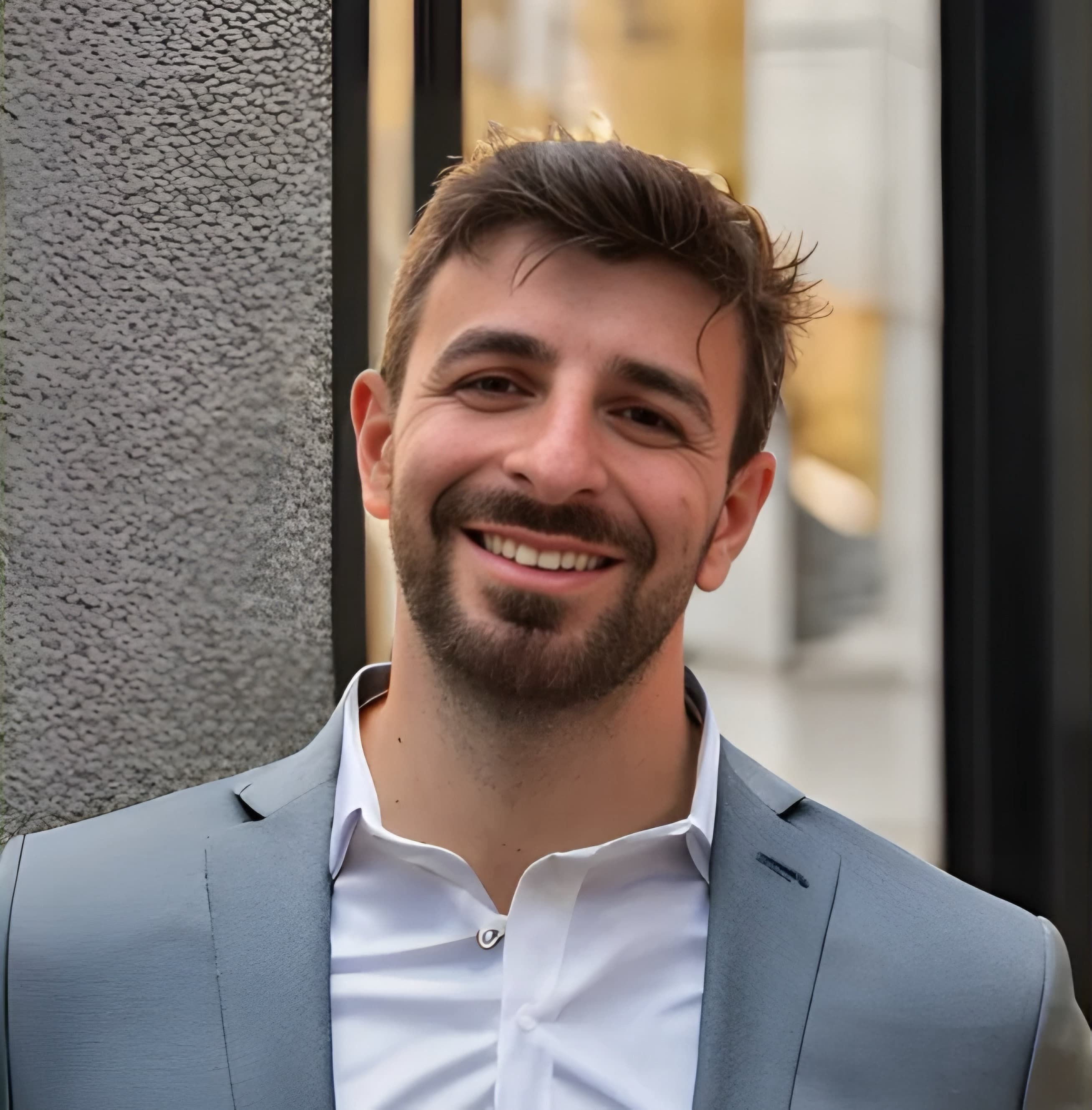
About Hamit Ekşi
Co-Founder & Legal Counsel
Born in 1990 in Istanbul, Hamit graduated from Istanbul University Faculty of Law. After practicing as a lawyer, he moved to the US for his MBA at San Diego State University (2017-2018), where the foundations of SimplyTR were laid. He specializes in the legal intricacies of citizenship and property law.



🌍 Read in Your Language
Subscribe to our Newsletter
Get the latest updates on Turkish real estate market and citizenship programs.