
Advantages of Real Estate Investment in Turkey: 2026 Guide
Explore the top 8 benefits of real estate investment in Turkey, including citizenship opportunities, high rental yields, and a high quality of life for families.
Real estate can be a practical way to build a home, rental asset or long-term investment position in Turkey, but the benefits depend on the property, location, financing, tax position and the buyer’s objective. This 2026 guide explains the main advantages without treating citizenship, residence, rental income or appreciation as guaranteed outcomes.
Why invest in Turkish real estate in 2026?
Turkey combines a large population, major cities, tourism markets and strong demand for different property types. That does not make every property a good investment. Due diligence, title review, building condition, rental demand, taxes, financing and exit liquidity matter more than a headline “high ROI” claim.
1. A potential route to Turkish citizenship
Eligible real estate investment may support a Turkish citizenship application when the current investment threshold, payment, title, valuation, holding commitment and other official conditions are met. The often-quoted USD 400,000 figure is a programme threshold, not a guarantee. The property must qualify and the application must be reviewed and approved by the authorities.
Citizenship by investment is separate from ordinary property ownership and from a property-owner residence permit. A buyer should obtain a case-specific review before signing, especially where several properties, valuation reports, financing or staged payments are involved.
2. Property-owner residence options
A foreign property owner may apply for a short-term residence permit when the property and address satisfy the current rules. For 2026 applications, the operational property-value threshold commonly used for this route is USD 200,000 in current value, but the threshold alone does not guarantee approval. Address registration, nationality and location restrictions, insurance, documents and the applicant’s circumstances must also be checked.
Residence is not citizenship and is not the same as tax residence. A permit’s duration, renewal and family arrangements should be checked through the official application process.
3. Choice of cities and property strategies
Investors can compare Istanbul, Antalya, Ankara, Izmir, Bursa, Mersin and other markets, but city-wide claims can hide major neighbourhood differences. A central apartment, a coastal holiday property and a family home near schools have different tenants, costs and resale risks.
Match the property to the objective
- Own use: prioritise transport, schools, healthcare and building quality.
- Long-term rent: test tenant demand, vacancy, maintenance and net yield.
- Resale: check liquidity, title clarity, project delivery and buyer depth.
- Citizenship: verify valuation, title and payment compliance before purchase.
4. Modern housing and infrastructure
Turkey has a broad supply of new apartments, mixed-use projects and urban regeneration developments. New construction can offer energy efficiency, amenities and professional management, but it can also involve delivery, developer, service-charge and financing risk. Buyers should verify permits, occupancy, title status, earthquake and building documentation rather than relying on a sales brochure.
5. Rental and tourism demand
Istanbul, Antalya and other tourism or university markets can offer different rental strategies. Rental income is not automatic: vacancy, furnishing, repairs, tax, management, currency and local rules affect net income. Short-term rental activity may require a separate permit and building or management compliance. Calculate gross and net returns from property-specific assumptions instead of copying a market-wide percentage.
6. Relative entry prices and currency exposure
Property prices may look accessible to buyers earning in euros, dollars or pounds, but the exchange rate can move in both directions. A currency advantage at purchase does not guarantee a future gain. Compare the price in local currency, the same-day exchange rate, financing costs, taxes and the likely exit market.
7. Lifestyle and long-term relocation
Turkey offers different lifestyles, climates, transport networks and cultural environments. This can be valuable for families and remote workers, but a lifestyle decision still needs legal and financial planning. Check healthcare, schooling, insurance, residence renewals, tax residence and the practical cost of living in the selected city.
8. Professional coordination and risk control
A qualified lawyer, independent valuation professional, tax adviser and technical inspector can identify risks that an estate agent may not be authorised to assess. Legal and professional services cannot guarantee citizenship, residence, rental income, appreciation or a court result. Their value is in documenting the transaction, identifying missing information and helping the buyer make a controlled decision.
Costs and checks before purchase
| Area | Question |
|---|---|
| Title | Are ownership, encumbrances, debts, annotations and seller authority clear? |
| Valuation | Is the official or independent value suitable for the intended route? |
| Tax | What are the VAT, title-deed, rental and capital-gain consequences? |
| Building | Are permits, occupancy, earthquake risk and technical condition documented? |
| Exit | Who is the likely buyer or tenant, and what costs reduce net return? |
Conclusion
Turkish real estate can offer flexibility, lifestyle value and access to several investment strategies. The benefit is not automatic citizenship or guaranteed profit. The correct decision depends on the buyer’s objective, the property’s documents, current law, total cost, location and a realistic exit plan.
Sources and date note
This guide was reviewed in October 2026. Verify current citizenship, residence, tax and property rules with the official authorities and qualified professionals before signing or transferring funds.
Official sources
Frequently Asked Questions
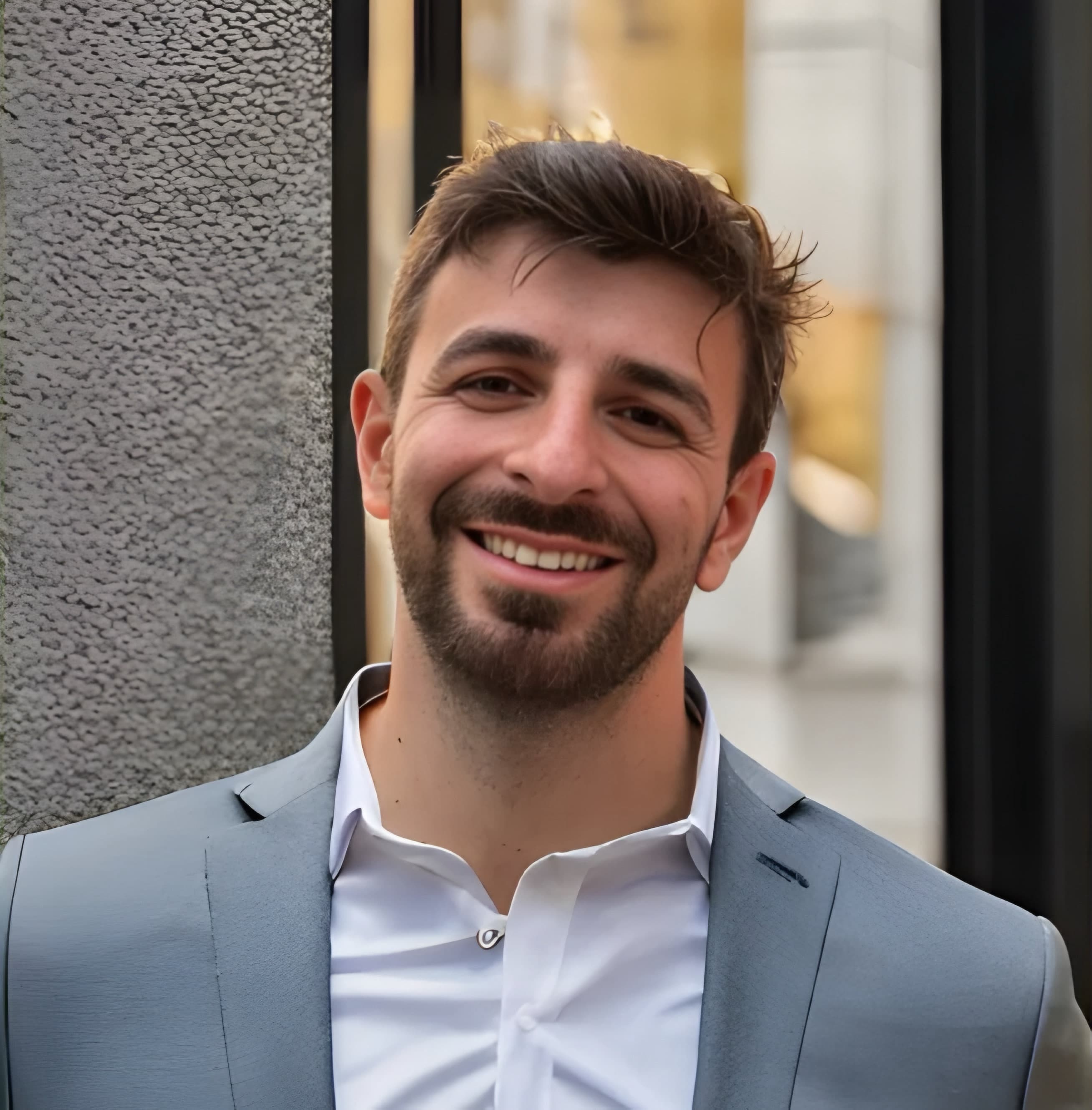
About Hamit Ekşi
Co-Founder & Legal Counsel
Born in 1990 in Istanbul, Hamit graduated from Istanbul University Faculty of Law. After practicing as a lawyer, he moved to the US for his MBA at San Diego State University (2017-2018), where the foundations of SimplyTR were laid. He specializes in the legal intricacies of citizenship and property law.


🌍 Read in Your Language
Subscribe to our Newsletter
Get the latest updates on Turkish real estate market and citizenship programs.