
How is the Fungeral Procedures of Foreigners Death in Turkey?
Discover the essential legal steps and documentation required for handling the funeral procedures of foreign nationals who pass away while in Turkey.
Legal Steps for Foreigner Deaths in Turkey
Dealing with foreigner deaths in Turkey involves specific legal steps. These rules protect the rights of the deceased and their families. The main rule is Circular No. 71/1 from 2011. It tells you how to notify the state and manage the estate.
Immediate Steps After a Death Occurs
What you do first depends on where the person died. Turkish law looks at deaths at home, in hospitals, or suspicious cases differently.
Death at a Private Residence
If someone dies at home from natural causes, call the local municipality (Belediye). A doctor will come to check the body. If it's a natural death, they give you a "Death Certificate" (Ölüm Belgesi). They also give you a "Burial Permit" (Gömme İzin Kağıdı). You'll need to show the person's original passport or residence permit.
Death in a Hospital
Hospitals handle the paperwork if the death happens there. They write the certificate and tell the population office. You'll get a copy to start funeral plans or move the body home.
Suspicious Deaths and Autopsies
If the cause isn't clear, the Public Prosecutor takes over. The body goes to the Forensic Medicine Institute for an autopsy. So, you won't get a burial permit until the prosecutor finishes the first check.
Notifying Embassies and Consulates
Turkish officials must tell the deceased person's embassy or consulate. This is a law. They share the cause of death and where the body is. If you're in Turkey, call your consulate too. They help you work with international funeral directors if you want to move the body abroad.
Required Documentation for Death Notification
To register foreigner deaths in Turkey, you need several papers. You'll usually need these items:
- Notification Form: A report explaining where and when the death happened.
- Medical Reports: Copies of the autopsy or accident reports.
- Identification: The original passport or ID card of the deceased.
- Death Certificate: Two official copies for international use.
- Consular Letter: A letter if the consulate has the person's belongings.
Burial and Cremation Options in Turkey
There are a few choices for the body. But you should know that Turkey has no crematoriums right now.
Local Burial
You can bury foreigners in Turkey. Big cities like Istanbul or Antalya have cemeteries for non-Muslims. The local municipality runs these sites. You'll have to pay a fee for the grave and the service.
Repatriation of the Body
To take the body home, you must prepare it for travel. This means embalming and using a zinc-lined coffin. The health office gives you a "Laissez-passer" (Cenaze Nakil Belgesi). Airlines and customs need this paper to let the body pass.
Special Procedures for Syrian Nationals
Rules for Syrian citizens are different. Officials don't send death notices to a consulate. Instead, they send papers to the Turkish Ministry of Foreign Affairs. The Ministry handles the records and communication.
Handling the Deceased's Estate
When a foreigner dies, the state freezes their assets. This includes bank accounts and homes. To get these, heirs need a "Certificate of Inheritance" (Veraset İlamı). You get this from a court or notary. If there's a foreign will, a Turkish court must approve it first. This is a process called "Exequatur." Managing foreigner deaths in Turkey is a sensitive process, but following these steps helps you handle the legal side properly.
If you need a closer look here, see Understanding Turkish Inheritance and Transfer Tax (2025 Update).
Related Articles
If you need a closer look here, see Related Articles.
If you need a closer look here, see Related Articles.
Frequently Asked Questions
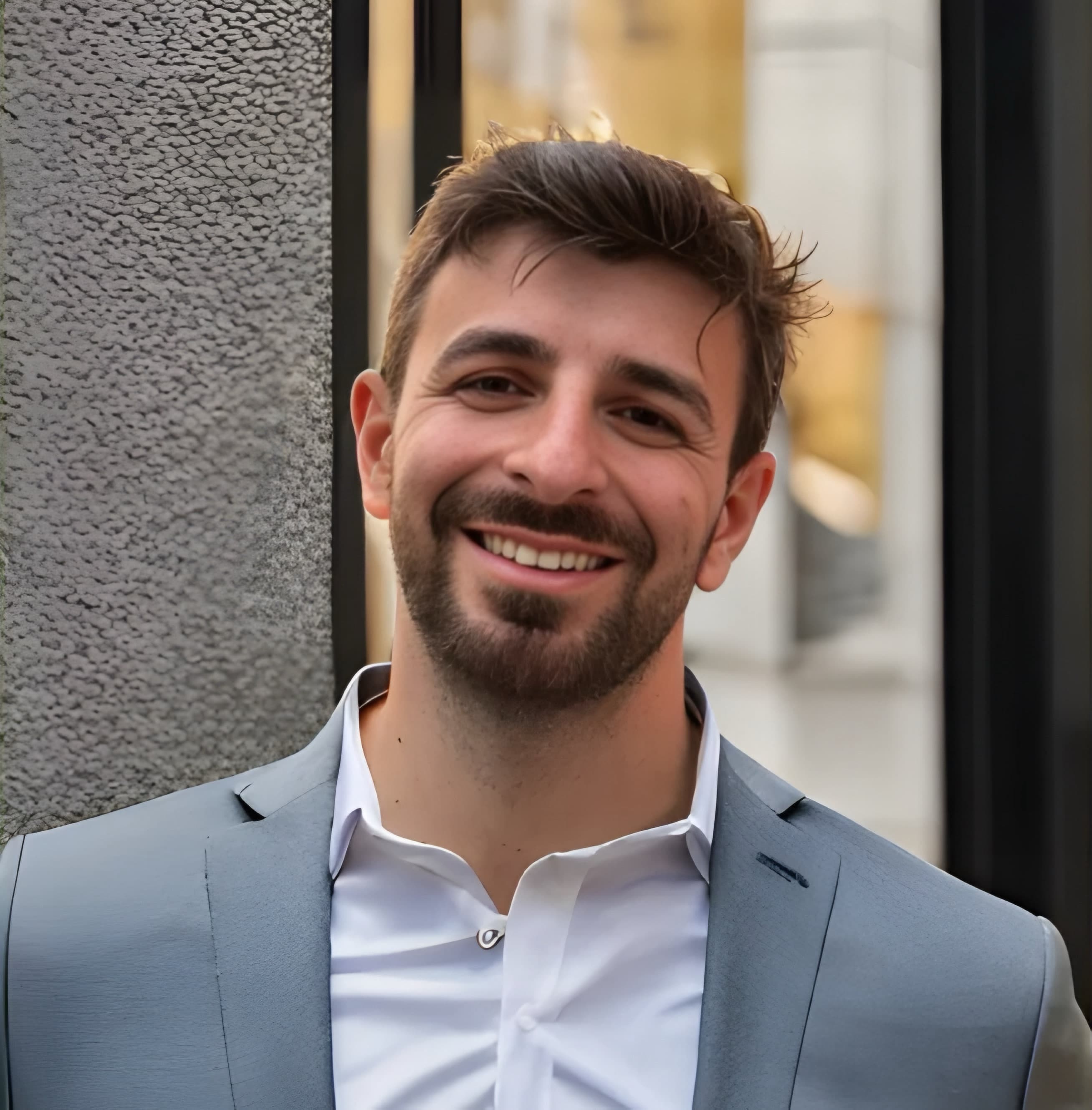
About Hamit Ekşi
Co-Founder & Legal Counsel
Born in 1990 in Istanbul, Hamit graduated from Istanbul University Faculty of Law. After practicing as a lawyer, he moved to the US for his MBA at San Diego State University (2017-2018), where the foundations of SimplyTR were laid. He specializes in the legal intricacies of citizenship and property law.
Related Articles



🌍 Read in Your Language
Subscribe to our Newsletter
Get the latest updates on Turkish real estate market and citizenship programs.