
Foreign Doctoral Studies in Turkey: Understanding the Fees and Costs Involved
Thinking about pursuing a doctoral degree in Turkey? Explore our comprehensive guide on tuition fees, university costs, and financial planning for international students.
Overview of Doctoral Education Costs in Turkey
Turkey is now a top choice for international students. If you're looking at doctoral education costs in Turkey, the price depends on the school you pick. You'll find two main types: state and private (foundation) universities. Each one has its own fee system for people coming from abroad.
Tuition Fees at State Universities
State schools are the cheapest way to get your degree. Turkish citizens pay very little, but foreign students must pay a set fee. These costs change based on your department and the language you study in. English programs usually cost more than Turkish ones. You'll likely pay between $300 and $1,000 each year. But remember, these spots are hard to get. You need great grades to win a seat.
How Private Schools Affect Doctoral Education Costs in Turkey
Private universities set their own prices. The jump in fees at these schools is quite large. You might pay anywhere from $4,000 to $15,000 per year. Take Yeditepe University as an example. Their PhD fees start around $2,000 for one semester. Over four years, that adds up to $32,000 just for classes. Some top-tier schools charge even more. You could end up spending over $45,000 by the time you graduate.
The Total Financial Commitment
Don't just look at the first year. A PhD usually takes four years of full-time work. If your school costs $8,000 a year, your total bill will be $32,000. It's smart to ask if the school locks in your rate. Some private universities raise prices every year because of inflation. This can really change your budget over time. So, always ask about price hikes before you sign up.
Additional Costs for International Students
Tuition isn't your only bill. You need to plan for other student expenses too. Here is what you'll need to pay for:
For a more detailed cost breakdown, see Mandatory Health Insurance for Turkish Residence Permit s.
- Residence Permit Fees: You'll pay for your permit and card every year.
- Health Insurance: You must have insurance to stay in the country. You can use the state system (SGK) or buy a private plan.
- Living Expenses: Turkey is cheaper than Europe, but prices in Istanbul and Ankara are going up. Plan for rent, food, and bus fare.
- Research and Books: You might need to pay for lab use or special software for your study.
Scholarships and Financial Aid
You can lower your doctoral education costs in Turkey with scholarships. The 'Turkiye Burslari' program is the most famous one. It pays for your school, housing, and gives you cash every month. Many private schools also offer their own deals. You could get 25% to 100% off based on your test scores. Talk to the school's international office. They can tell you about any discounts before you apply.
Related Articles
If you need a closer look here, see Related Articles.
If you need a closer look here, see Related Articles.
Frequently Asked Questions
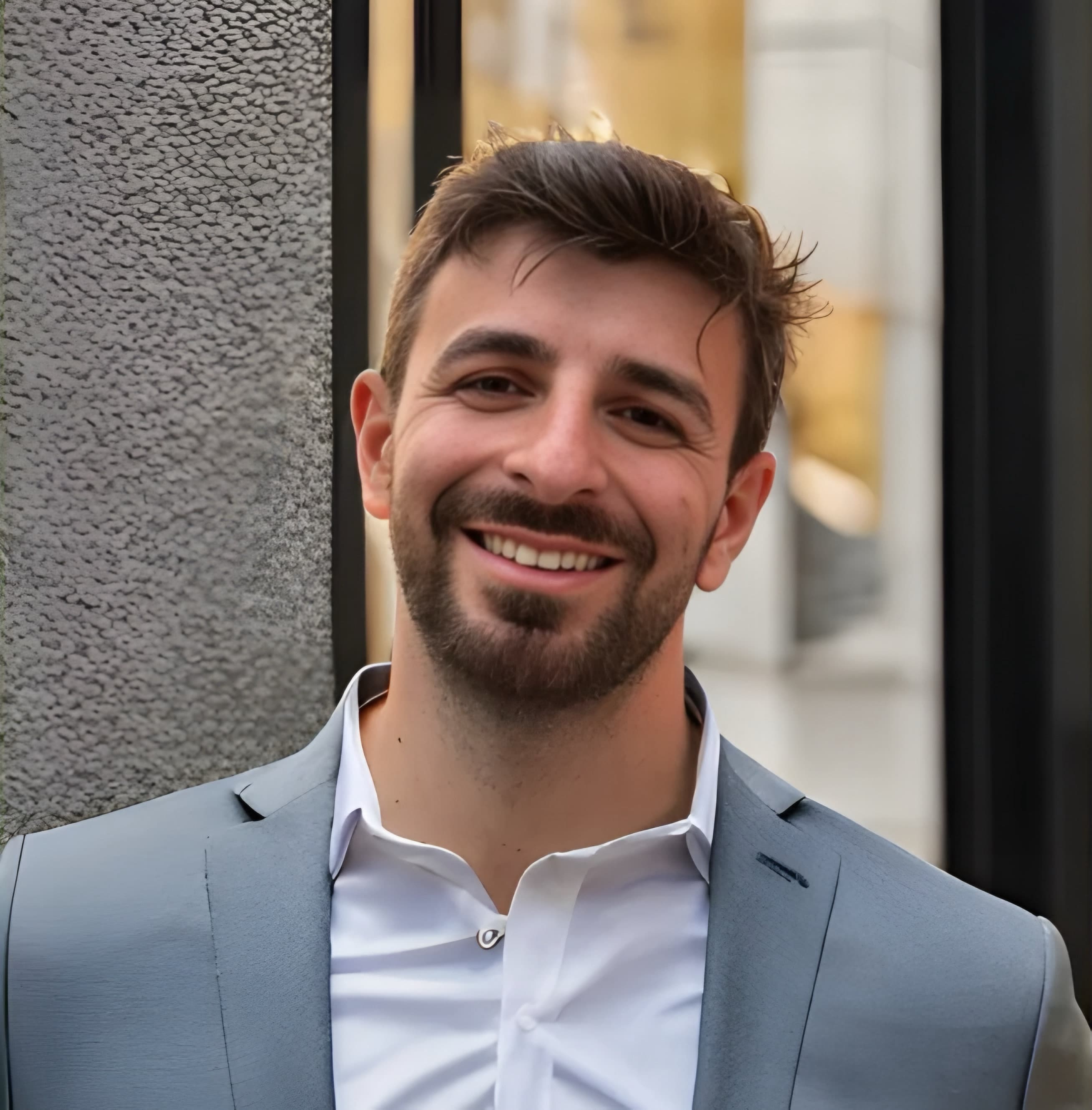
About Hamit Ekşi
Co-Founder & Legal Counsel
Born in 1990 in Istanbul, Hamit graduated from Istanbul University Faculty of Law. After practicing as a lawyer, he moved to the US for his MBA at San Diego State University (2017-2018), where the foundations of SimplyTR were laid. He specializes in the legal intricacies of citizenship and property law.

🌍 Read in Your Language
Subscribe to our Newsletter
Get the latest updates on Turkish real estate market and citizenship programs.