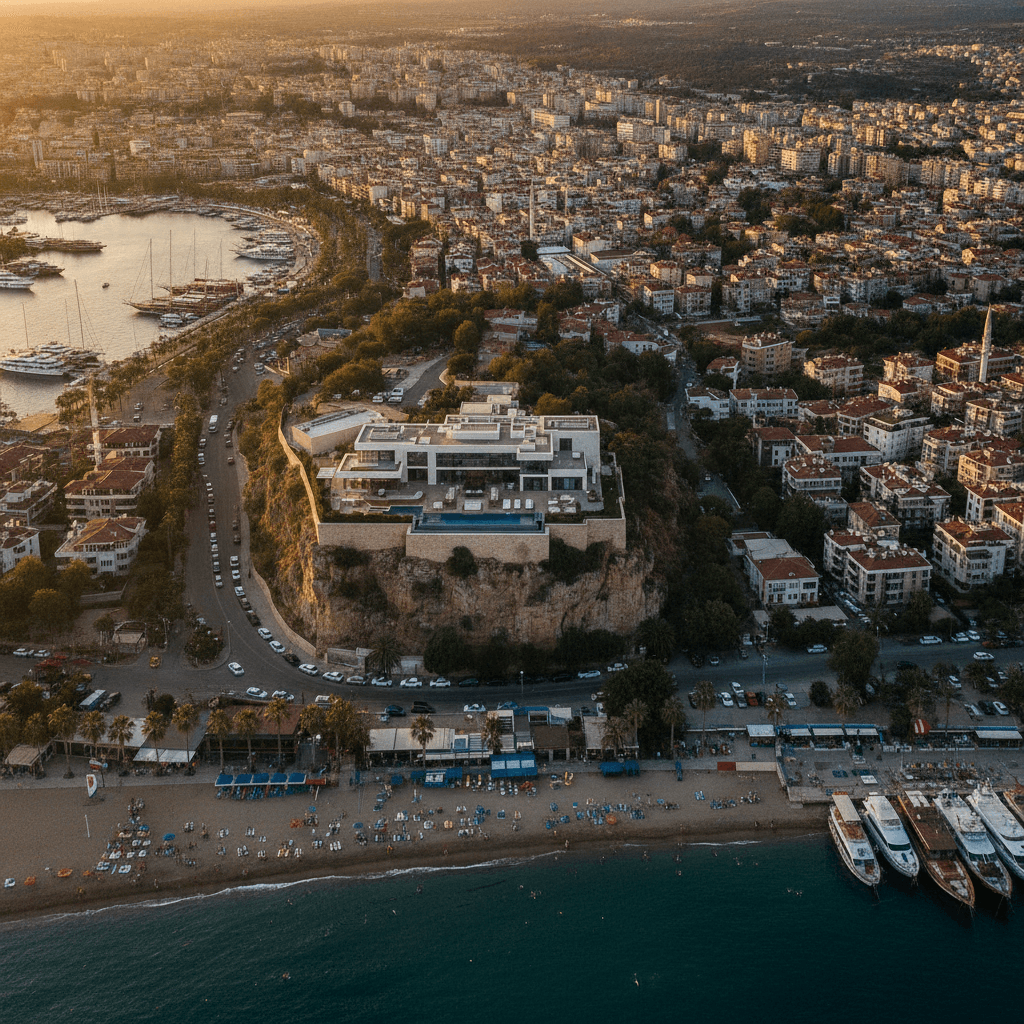
Turkey Became the 4th Most Visited Country in 2026: What This Means for Real Estate Investors
Turkey is now the 4th most visited country in the world. Analysis of how record tourism (52.8M visitors, $65.2B revenue) drives real estate investment returns.
Turkey Became the 4th Most Visited Country in 2026: What This Means for Real Estate Investors
Turkey has achieved a remarkable milestone: it is now the 4th most visited country in the world in 2026, according to data from IDEAL & Partners. The country welcomed 52.8 million foreign visitors in 2025, generating a record $65.2 billion in tourism revenue — and 2026 is on track to surpass both numbers.
For real estate investors, this is not just a tourism statistic. It is a direct indicator of rental demand, property value growth, and long-term market fundamentals in Turkey's most desirable locations.
The Tourism-Real Estate Connection
Tourism and real estate are deeply interconnected in Turkey. International visitors often become property buyers — research suggests that approximately 3-5% of repeat visitors eventually purchase property. With 52.8 million annual visitors, even a fraction converting to property buyers represents significant demand.
More immediately, tourism drives short-term rental returns. In Antalya, Bodrum, and Istanbul's historic districts, properties marketed to tourists command 3-5x the rental income of equivalent long-term lets. This yield premium is the direct result of Turkey's tourism success.
Record Tourism by the Numbers
| Metric | 2019 | 2025 | 2026 Forecast |
|---|---|---|---|
| Annual visitors | 45.1M | 52.8M | 55M+ |
| Tourism revenue | $38.2B | $65.2B | $70B+ |
| Global ranking | 6th | 4th | 4th |
| Top source markets | Russia, Germany, UK | Russia, Germany, UK, Iran | Russia, Germany, UK, Gulf States |
Best Cities for Tourism-Linked Real Estate Investment
Antalya: The Undisputed Leader
Antalya remains Turkey's tourism capital, attracting over 16 million visitors annually — more than Istanbul. The city's year-round appeal (beach season from April to October, golf and culture through winter) supports consistently high short-term rental occupancy rates of 70-85%. Gross rental yields in central Antalya range from 5-8%, with premium properties near Lara Beach and Konyaaltı reaching 8-10%.
Istanbul: Volume and Diversity
Istanbul's tourism market is more diversified — business travellers, cultural tourists, medical tourists, and stopover visitors all contribute to demand. Short-term rental yields in tourist districts (Sultanahmet, Taksim, Galata) range from 6-9%, though regulatory compliance (tourism permits, neighbour consent) is more complex than in resort areas.
Bodrum: Luxury Premium
Bodrum occupies the luxury end of the market, attracting high-spending tourists and second-home buyers from Europe, the Gulf, and Russia. Property prices are higher (average €3,000-5,000/m² in prime areas), but rental yields on well-managed villas can reach 5-7% with significant capital appreciation potential.
Mersin and Izmir: Emerging Markets
Both cities benefit from spillover tourism demand. Mersin's developing marina and port infrastructure, combined with lower property prices (roughly €800-1,500/m²), offer entry points for investors seeking exposure to the tourism-real estate theme at a lower cost base.
Turkish Citizenship by Investment and Tourism
The citizenship-by-investment program remains a significant driver of property demand. Many investors first visit Turkey as tourists, fall in love with the country, and return to make a citizenship-qualifying purchase. The $400,000 threshold, combined with the 3-year holding period, creates a stable base of demand for quality properties in tourist-friendly locations.
Regulatory Considerations for Short-Term Rentals
The 2026 regulatory environment for short-term rentals is stricter than in previous years. Foreign investors should be aware of:
🏛️ Tourism Permit Requirement. Any property rented for 100 consecutive days or less requires a Tourism Rental Permit from the Ministry of Culture and Tourism.
🏛️ Unanimous Neighbour Consent. In multi-unit buildings, all flat owners must provide notarised consent — this is the single most common blocker for Airbnb investments.
🏛️ Tax Registration. Short-term rental income is subject to progressive income tax (15-40%), with potential VAT exposure.
For a detailed guide, read our comprehensive Airbnb Income Tax in Turkey 2026 Guide.
FAQ
Does high tourism automatically mean good rental returns?
Not automatically. Location, property quality, and regulatory compliance matter more than macro tourism numbers. Tourist districts with limited hotel supply and high year-round demand offer the best risk/reward profile.
Should I buy a property specifically for short-term rental?
Only after confirming: (1) the building allows short-term rentals (neighbour consent), (2) you can obtain a tourism permit, and (3) the projected yield justifies the compliance costs and management overhead.
Which nationality of tourists buys the most property?
Russians remain the largest group of foreign buyers, followed by Iranians, Ukrainians, Germans, and Iraqis. Gulf State buyers are a growing segment in the luxury market.
Invest in Turkey's Tourism-Linked Real Estate with SimplyTR
Whether you are looking for a short-term rental investment in Antalya, a citizenship-qualifying property in Istanbul, or a luxury villa in Bodrum, SimplyTR provides end-to-end advisory services for foreign real estate investors.
Contact SimplyTR to discuss your investment goals →
Image source: SimplyTR | Data: IDEAL & Partners, TÜİK, Ministry of Culture and Tourism.
Related Articles
- Mortgage-Financed Home Sales in Turkey Surge 72%: What Foreign Investors Need to Know
- Airbnb Income Tax in Turkey 2026: Complete Guide for Foreign Property Owners
- How to buy a property in Turkey?
- Property Sales to Foreigners Hit a 9-Year Low: What Does It Mean for You?
- Advantages of Real Estate Investment in Turkey: 8 Reasons
- Turkish Citizenship for Pakistani Investors: Complete 2026 Guide
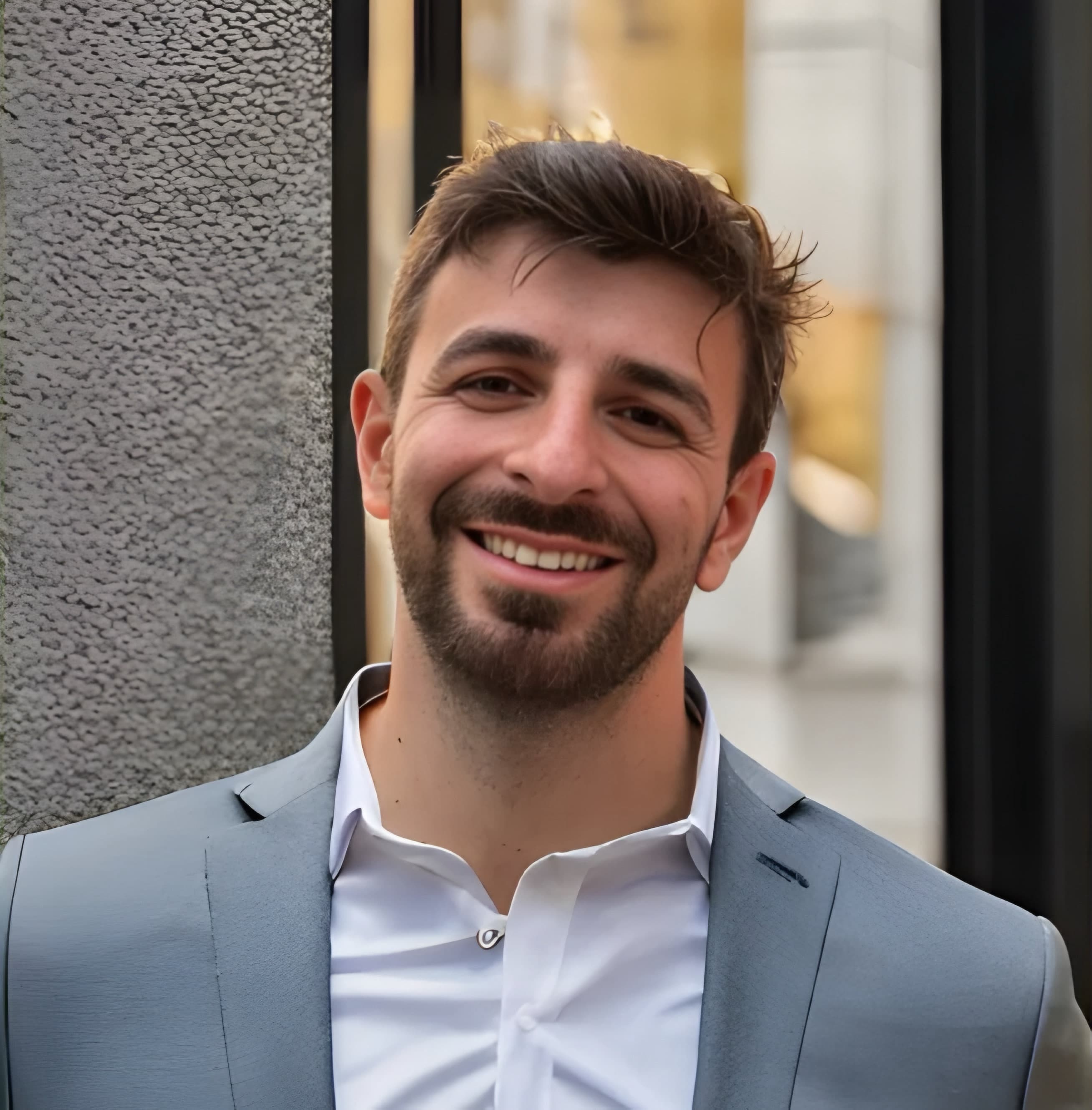
About Hamit Ekşi
Co-Founder & Legal Counsel
Born in 1990 in Istanbul, Hamit graduated from Istanbul University Faculty of Law. After practicing as a lawyer, he moved to the US for his MBA at San Diego State University (2017-2018), where the foundations of SimplyTR were laid. He specializes in the legal intricacies of citizenship and property law.


🌍 Read in Your Language
Subscribe to our Newsletter
Get the latest updates on Turkish real estate market and citizenship programs.