Students Wishing to Take Master’s Education in Turkey
Discover the essential steps for international students to pursue a master's degree in Turkey, including YÖK equivalency requirements and application procedures.
Why Choose a Master’s Degree in Turkey?
Many international students now choose to get a Master’s degree in Turkey. The country offers a great mix of high-quality classes and low living costs. You'll find degrees that people recognize all over the world. Turkish universities have modern campuses and strong links to local businesses. And you'll get to live in a place with a very deep history.
Types of Master’s Programs in Turkey
You have two main choices when you look for a degree here:
- Master’s with Thesis (Tezli Yüksek Lisans): This usually takes two years. It includes classes and a final written thesis. Pick this if you want to get a PhD later.
- Master’s without Thesis (Tezsiz Yüksek Lisans): This lasts about one to one and a half years. It focuses on practical skills for your job. Instead of a thesis, you'll likely do a final project.
Admission Requirements for International Students
Entry rules change depending on the school. But the most important thing is having a bachelor's degree. Most foreign students don't need to take the ALES exam for private universities. Instead, schools look at your old grades and how well you speak the language. It's often a much simpler process than people think.
If you need a closer look here, see New YÖK Regulations for International Student Admissions.
The Importance of YÖK Recognition and Equivalency
Your old university must be on the list at the Council of Higher Education (YÖK). You might need two different papers for this:
If you need a closer look here, see How Do Foreign Students Receive Equality Certificate?.
- Recognition Certificate (Okul Tanıma Belgesi): This proves YÖK knows your school is real and accredited.
- Equivalency Certificate (Denklik Belgesi): This shows your degree is the same as a Turkish one. You'll need this for jobs like medicine or law.
You can apply for these through YÖK. Or you can ask a consultant to help you with the paperwork.
Required Documents for Application
You'll need a few items to finish your registration. Keep these ready:
If you need a closer look here, see Application Process and Required Documents / Validity and Scoring.
- Passport: A copy with a notarized Turkish translation.
- Undergraduate Diploma: Your original diploma and a translated copy.
- Transcript of Records: A list of your courses and grades, translated into Turkish.
- Reference Letters: Usually two letters from your old teachers or bosses.
- Statement of Purpose: A letter that tells the school why you want to study there.
- Language Certificate: Use TOEFL or IELTS for English, or TÖMER for Turkish.
- Diploma Supplement: This is only for students from the EU.
Language Requirements
You can find programs in both Turkish and English. If you pick a Turkish course, you must show a C1 level through a TÖMER test. For English courses, you'll need a score from a big exam like TOEFL. But don't worry if your language isn't perfect yet. Many schools have a one-year prep class to help you get ready.
Cost of Living and Tuition Fees
Turkey is much cheaper than most of Europe. State schools have very low fees for foreign students. Private schools cost more, but they often give out scholarships. Your money for rent and food will also go a lot further here. It's a smart choice for your wallet.
How to Apply
Applications usually start in the spring for the fall term. You can apply to the school's office yourself or use a trusted helper. Just make sure your papers are translated and notarized early. Getting a Master’s degree in Turkey can change your future, so start your prep today.
Related Articles
Frequently Asked Questions
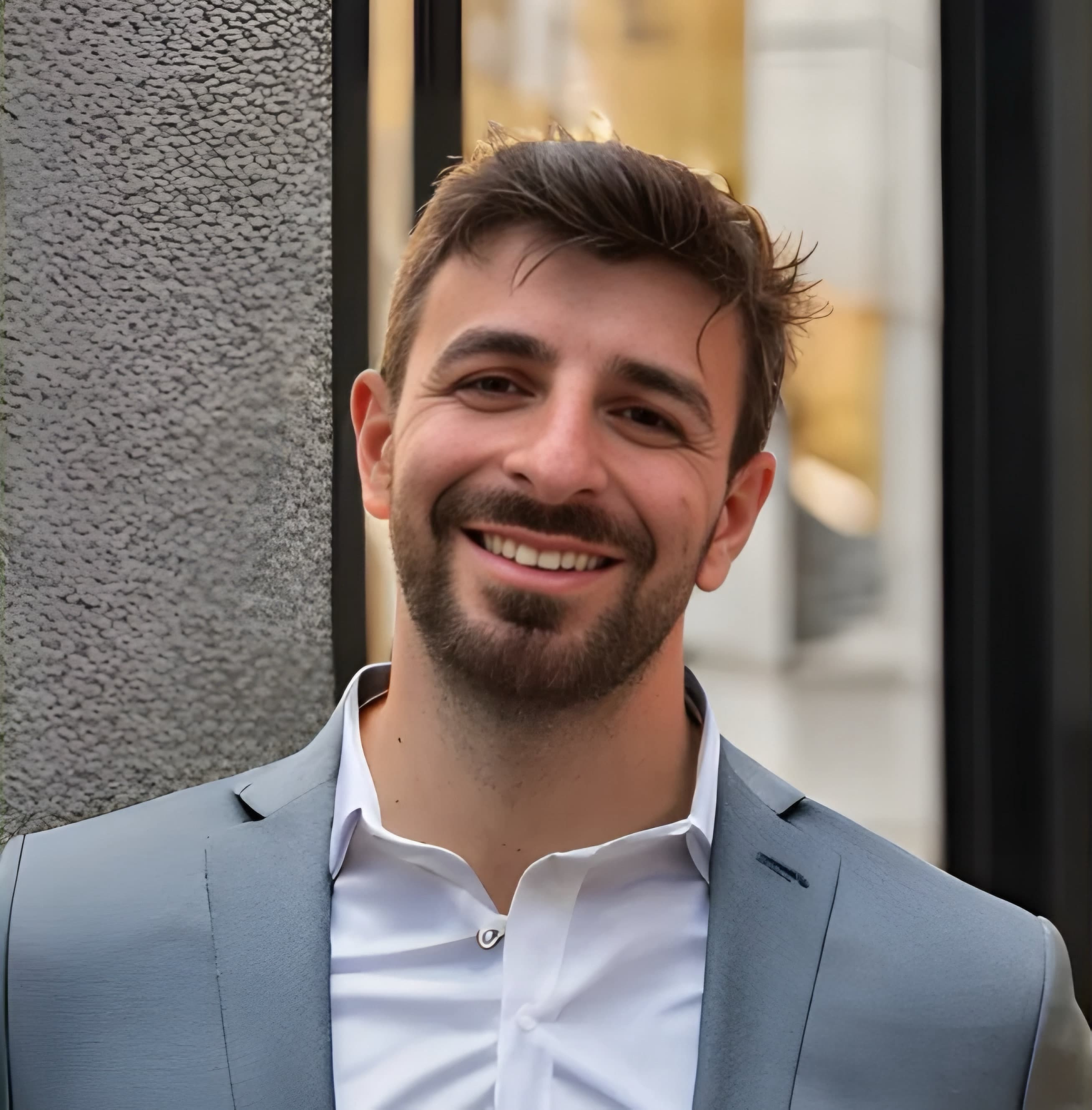
About Hamit Ekşi
Co-Founder & Legal Counsel
Born in 1990 in Istanbul, Hamit graduated from Istanbul University Faculty of Law. After practicing as a lawyer, he moved to the US for his MBA at San Diego State University (2017-2018), where the foundations of SimplyTR were laid. He specializes in the legal intricacies of citizenship and property law.


🌍 Read in Your Language
Subscribe to our Newsletter
Get the latest updates on Turkish real estate market and citizenship programs.